Author: Nicolas Vincent

Landscape Design For Small Yards – Maximizing Limited Space

From lush green backyards to desert casitas, every outdoor space can benefit from smart landscape design. Learn how to use simple enhancements like pathways, water features, and color schemes to elevate your yard and create a sense of purpose.

1. Think Three-Dimensional

Landscape Design

The tighter space of small yards demands more care in planning. Accurate measurements become critical, tolerances are narrower (an inch or two can make the difference in whether a deck footer will fit between a retaining wall and a home foundation), and different elements often are located right next to or on top of each other.

These limitations can be overcome by thoughtful manipulation of space. For example, by pushing some edges a bit toward the center to create narrow moments that feel like thresholds to pass through, or by curving reveals into wide spaces that feel welcoming and open to spend time in, it is possible to create the illusion of more expansive landscapes in smaller yards.

Another way to improve legibility in a small yard design is by limiting the number of plant species. This doesn’t mean sacrificing variety in texture, foliage color, or height, but rather that it is a good idea to avoid cramming too many different plants into the space if at all possible. Even better, choosing several species that perform the same function – such as three thoughtful plants that each peak in the spring or are suitable for low-maintenance ground cover – can look more natural and less cluttered than seven one-off choices.

If a homeowner is considering adding in-ground or raised beds for food production, consider growing space-saving vegetables and herbs, or using trellises to encourage vines to climb up fences and walls. This can help reduce the cost of buying food and also give a sense of ownership to a small yard design.

The first step in designing any landscape is to carefully plan. Sketch the entire yard on graph paper, or use a computer program to map it out. Be sure to locate all utilities, downspouts, drains, and other existing features. Then add your new plantings and furnishings, making notes on each as to size and placement. The more detailed your initial plan is, the easier it will be to spot problems before they become costly blunders. It is also a great idea to ask your designer to model the project, both in 2D and 3D, so that you can instantly compare different options, test sightlines, see how sun and shadow will play out in the yard throughout the day, and more.

2. Go Smart with Outdoor Furniture

The smallest details can help a garden feel complete and polished. That’s why it’s important to think through every element of a landscape design for small yards, from the layout of pathways and seating to the placement of water features and color schemes.

To make a backyard feel larger, opt for a curved pathway rather than a straight one. The curved shape will create a sense of depth, making your yard feel bigger. Another way to add a sense of dimension is by using stepping stones or concrete pavers. These materials also add visual interest and are durable enough for everyday use.

For a backyard that feels more like an extension of your home, incorporate built-in seating around a fire pit or dining area. This allows you to seat more guests without overcrowding the space and makes the area feel more cohesive.

To eliminate the feeling of clutter, choose furniture that is minimal in size and shape. For example, a round patio table takes up less square footage than a traditional rectangle, and its slim profile will reduce the amount of visual weight in the room.

Creating an organic vegetable garden is a popular landscaping trend that will benefit both your health and the environment. Instead of buying produce from the supermarket, grow your own food in a freestanding raised bed or vertical garden. You can even grow space-saving varieties of fruits and vegetables like tomatoes, beets and greens.

The right lighting can highlight the landscape and make a small backyard feel more intimate. Opt for a simple lighting scheme that will enhance the overall look of your garden while also allowing you to use your space after dark.

Backyards aren’t just for entertaining and relaxing—they can also provide the perfect setting for exercise, meditation or just quiet reflection. By choosing the right outdoor furniture and implementing smart landscape ideas, you can turn your backyard into an outdoor oasis that’s perfectly suited to your needs.

3. Think Vertical

A well-designed landscape is a beautiful addition to any home. But, while many people may dream of creating a spacious outdoor oasis in their backyard, they are often constrained by a small yard. Fortunately, townhomes, condos, apartments and zero-lot style homes can be designed with stunning gardens that maximize space. Embracing the following timeless landscaping tips for small yards will help homeowners create a gorgeous and functional space that they can enjoy for years to come.

The best way to make a small backyard feel expansive is by drawing the eye upwards. Planting a variety of vertical greenery, cleanly defining the space with steel edging and using open space can all help create the illusion of height. Tall trees, trellises and hanging plants can also be used to help the eye move up, creating a sense of openness in tighter spaces.

Another important consideration when designing a landscape for a small yard is to consider the climate, soil conditions and sun/shade patterns of your specific area. Selecting plants that will thrive in the existing environment can drastically cut down on upkeep, as can choosing smaller bushes and compact varieties of flowers. Additionally, choosing a variety of flower colors to add visual interest can help stretch the look of a small garden.

It is also important to be realistic about how much time you can devote to maintaining your landscape. If you do not have the time to spend tending your yard yourself, it is a good idea to choose low-maintenance hardscape materials and incorporate plantings that require little upkeep. Also, keeping the mulch about a foot away from the plants can simplify mowing and reduce the need for watering.

Doubling up on uses is also a great way to help stretch the space in a small backyard. Adding a patio that can be used for both dining and relaxing will make the most of your space and ensure that it is well-utilized. When designing a landscape for a small yard, it is also a good idea to include seating that can fold down when not in use.

4. Keep It Simple

A well-designed landscape can be as simple or as complex as you desire. It’s a matter of balancing the elements that you want to include and deciding what is truly important to you. If, for example, you want to add privacy with a fence but are limited on space, a combination of plantings and structures can be effective. The key is to choose plants that will look good from both sides and be tall enough to provide privacy while limiting visual clutter.

One of the easiest ways to make a small yard feel larger is to use walkways. Whether it’s concrete pavers from the front door to the back deck or simple stone steps connecting the yard to the house, walkways define spaces and give the impression of a large garden. Another way to add a sense of scale is to use built-in seating. Whether around a fire pit or at an outdoor dining table, built-in seating is both functional and visually appealing.

Another easy way to enlarge the feeling of your backyard is to unify decor colors and simplify landscaping elements, such as garden beds and lawns. This makes the space appear tidier and cleaner and creates a greater sense of openness.

Many older eastern cities have rows of townhouses with back yards that are 17 to 30 feet wide or less. When compared to the yard of a freestanding home, these spaces are often smaller and more difficult to design. A primary concern in these urban and historic areas is how to maximize the space without creating barriers that prevent accessing the property.

A professional designer can help you determine how much of your backyard can be used for play and what areas should be reserved for entertaining or relaxing. They can also advise you on how to best frame your house and set off your patio with a retaining wall or pergola. And they can help you determine the best way to blend the indoors and outdoors by creating a walkway that extends to your backdoor or a window seat that opens into a sitting area.
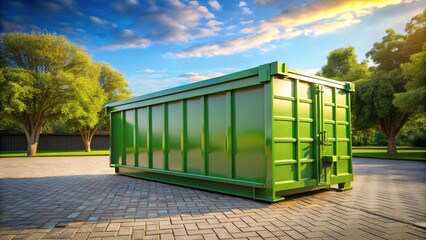
Dumpster Rental for Moving and Estate Cleanouts

Dumpster Rental

When preparing for a major life transition such as moving to a new home or handling an estate cleanout, one of the biggest challenges is managing the sheer volume of unwanted items and debris. Years of accumulated belongings, furniture, documents, and household goods can quickly turn an already emotional or stressful process into an overwhelming task.

Dumpster Rental Mt Pleasant TX for moving and estate cleanouts offers a practical, efficient, and organized solution that simplifies disposal and keeps the process moving forward without unnecessary delays.

Why Moving and Estate Cleanouts Create So Much Waste

Moving and estate cleanouts often uncover far more items than expected. Closets, basements, garages, attics, and storage rooms tend to collect belongings that are rarely used or forgotten altogether. When preparing to move, many people choose to downsize or get rid of items that no longer serve a purpose. Estate cleanouts are often even more extensive, as they may involve clearing an entire household accumulated over decades.

Furniture that no longer fits a new space, outdated appliances, broken items, old paperwork, clothing, and general household clutter all add up quickly. Standard trash pickup is not designed to handle this volume, and relying on curbside disposal or personal vehicles can be time consuming and inefficient. Dumpster rental provides a centralized way to handle everything at once.

What Dumpster Rental for Cleanouts Involves

Dumpster rental for moving and estate cleanouts involves placing a large waste container on site for a set period of time. The rental company delivers the dumpster to the property, where it remains accessible throughout the cleanout process. As items are sorted and removed, unwanted materials are placed directly into the dumpster.

Once the cleanout is complete or the dumpster is full, the rental company returns to collect the container and handles disposal or recycling. This approach removes the need for multiple disposal trips and allows the cleanout to proceed at a steady, manageable pace.

Dumpster rental is especially helpful when time is limited, such as when preparing a home for sale, meeting a moving deadline, or settling an estate efficiently.

Benefits of Dumpster Rental During a Move

Moving is the ideal time to declutter, but the process can become overwhelming without proper disposal options. Dumpster rental helps streamline decision making by making it easy to discard items immediately rather than setting them aside indefinitely.

Having a dumpster on site reduces clutter and keeps the home organized during packing. Items that are broken, outdated, or no longer needed can be removed right away, making packing faster and more efficient. This often results in lower moving costs since fewer items need to be transported.

Dumpster rental also saves time and energy. Instead of loading vehicles and driving back and forth to donation centers or landfills, everything can be handled in one place. This efficiency is especially valuable during stressful moving timelines.

Dumpster Rental for Estate Cleanouts and Sensitive Situations

Estate cleanouts often come with emotional challenges, especially when dealing with the belongings of a loved one. The process can be physically demanding and emotionally draining, particularly when there is a large volume of items to sort through.

Dumpster rental provides structure and simplicity during this process. It allows families or estate managers to focus on sorting, preserving meaningful items, and handling responsibilities without constantly worrying about disposal logistics.

For large estates or homes that have been occupied for many years, a dumpster offers the capacity needed to handle furniture, accumulated household goods, and general debris efficiently. This helps estate cleanouts progress steadily without unnecessary delays.

Choosing the Right Dumpster Size for Cleanouts

Selecting the appropriate dumpster size is an important step when planning a moving or estate cleanout. The right size depends on the volume of items being discarded and the size of the property.

Smaller cleanouts may require only a modest container, while full home or estate cleanouts often need larger dumpsters to accommodate furniture, boxes, and bulky items. Choosing a size that is too small may result in needing multiple pickups, while choosing one that is too large may increase costs unnecessarily.

Rental companies typically help customers estimate the right size based on the number of rooms, types of items, and overall scope of the cleanout. Planning ahead ensures the dumpster meets the project’s needs.

What Can Be Disposed of During Moving and Estate Cleanouts

Dumpster rental allows for disposal of many common household items. Furniture, mattresses, clothing, toys, broken appliances, general household junk, and non hazardous materials are usually accepted. This makes dumpsters ideal for clearing out entire rooms efficiently.

However, certain items are typically prohibited. Hazardous materials such as paint, chemicals, batteries, medical waste, and asbestos cannot be placed in dumpsters. Electronics, tires, and appliances with refrigerants may require special disposal methods.

Understanding disposal guidelines before starting the cleanout helps avoid delays or additional fees. Rental companies provide clear instructions on what can and cannot be placed in the dumpster.

How Dumpster Rental Simplifies Sorting and Organization

One of the biggest advantages of dumpster rental during cleanouts is how it simplifies sorting. Items can be divided into categories such as keep, donate, sell, and discard. The dumpster serves as the immediate destination for items that are no longer needed.

This approach prevents piles of unwanted items from accumulating inside the home. As rooms are cleared, they remain clean and organized, which is especially helpful when preparing a property for sale or inspection.

Having a dumpster readily available encourages progress and helps avoid second guessing decisions, keeping the cleanout moving forward.

Time Savings and Efficiency

Time is often a critical factor during moving and estate cleanouts. Moving deadlines, real estate listings, or legal timelines can add pressure to complete the process quickly.

Dumpster rental significantly reduces the time required to manage waste. Without a dumpster, individuals may spend hours loading vehicles, driving to disposal facilities, and unloading items. With a dumpster on site, disposal becomes a continuous and efficient process.

This efficiency allows more time to focus on packing, organizing important documents, or handling emotional aspects of estate management.

Dumpster Placement and Property Considerations

Proper placement of the dumpster ensures easy access and safe use. Dumpsters are commonly placed on driveways or parking areas where they can be loaded conveniently. The placement should allow room for the delivery truck and avoid blocking access points.

In some areas, placing a dumpster on a public street may require a permit. Rental companies can often advise on local requirements and help avoid complications.

Protecting surfaces beneath the dumpster is also recommended. Using boards or protective materials can prevent damage to driveways or pavement during the rental period.

Rental Period Flexibility for Cleanouts

Moving and estate cleanouts rarely follow a perfectly predictable timeline. Dumpster rental offers flexibility to accommodate this. Rental periods can range from a few days to several weeks, depending on the project’s needs.

If the cleanout takes longer than expected, many rental companies allow extensions. Clear communication about timing helps avoid additional charges and ensures the dumpster remains available as long as needed.

This flexibility makes dumpster rental well suited for complex or emotionally sensitive cleanouts that cannot be rushed.

Cost Considerations for Dumpster Rental

The cost of dumpster rental for moving and estate cleanouts depends on several factors. Dumpster size, rental duration, location, and type of waste all influence pricing. Weight limits are also important, especially when disposing of heavy furniture or dense materials.

Understanding pricing details upfront helps with budgeting and prevents unexpected fees. Choosing the right size and following disposal guidelines are key to controlling costs.

Compared to the time, fuel, and effort involved in multiple disposal trips, dumpster rental often proves to be a cost effective solution.

Environmental Responsibility During Cleanouts

Dumpster rental companies often work with disposal facilities that sort waste and recover recyclable materials. Items such as metal, wood, and certain furniture components may be recycled rather than sent to landfills.

For those interested in reducing environmental impact, some cleanouts involve separating donation items or recyclables before disposal. Dumpster rental supports this process by handling non salvageable waste efficiently.

Responsible disposal helps reduce landfill use and supports more sustainable cleanout practices.

Who Benefits Most From Dumpster Rental for Cleanouts

Dumpster rental is ideal for individuals and families preparing for a move, executors managing estates, real estate professionals handling property transitions, and anyone facing a large scale cleanout.

It is especially valuable when dealing with tight deadlines, large properties, or situations where emotional stress is already high. By simplifying waste management, dumpster rental removes one major obstacle from the process.

Final Thoughts on Dumpster Rental for Moving and Estate Cleanouts

Moving and estate cleanouts are demanding projects that require organization, efficiency, and practical solutions. Dumpster rental provides a reliable way to manage large volumes of unwanted items without unnecessary stress or delays.

By offering convenient disposal, flexible rental periods, and capacity for bulky items, dumpster rental helps keep cleanouts organized and on track. Whether preparing for a move or settling an estate, having the right dumpster in place turns a challenging process into a more manageable and structured experience.

Navigation