Metal has always held a special place in human creativity, serving as both a functional material and a powerful artistic medium. Over time, the art of metal craft has transformed from purely practical workmanship into a sophisticated blend of engineering, design, and innovation. Today, modern 83MetalCraft LLC represents more than strength and durability; it embodies timeless beauty shaped through evolving techniques and creative vision. As industries embrace new technologies and design philosophies, metal continues to redefine what is possible, bridging the gap between tradition and modern expression.
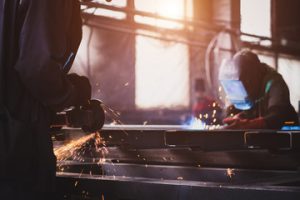
The evolution of metal craft reflects a journey shaped by changing needs and expanding imagination. Early metalwork focused primarily on survival and utility, creating tools and structural elements that supported daily life. As techniques advanced, artisans began to explore decorative elements, transforming metal into a medium for artistic storytelling. In modern times, this transformation has accelerated with the introduction of precision fabrication tools, digital design software, and innovative finishing processes. These advancements allow craftspeople to achieve intricate patterns, seamless joints, and flawless surfaces, turning metal into a canvas for creativity rather than merely a structural material.
One of the defining features of modern metal craft is the balance between technology and craftsmanship. While machines can cut and shape metal with remarkable accuracy, the human touch remains essential in refining details and ensuring aesthetic harmony. Skilled artisans understand how to manipulate texture, form, and proportion, creating pieces that feel both contemporary and timeless. This collaboration between human expertise and advanced technology has redefined the possibilities of metalwork, allowing for designs that combine precision with personality. The result is a new era where metal craft evolves without losing the heritage that gives it depth and meaning.
In contemporary design, metal has become synonymous with versatility. It adapts effortlessly to a wide range of styles, from minimalist structures to intricate decorative elements. Designers appreciate metal’s ability to reflect light, create contrast, and add depth to a space. Whether used in architectural accents, furniture, or artistic installations, modern metal craft enhances environments with a sense of permanence and elegance. Its ability to be shaped into both bold and delicate forms ensures that it remains relevant in an ever-changing design landscape.
Another key aspect of the evolution of metal craft lies in the development of innovative materials and alloys. Advances in metallurgy have introduced stronger, lighter, and more corrosion-resistant options, expanding the applications of metal beyond traditional uses. These innovations allow craftspeople to push boundaries, creating designs that were once considered impossible. Lightweight yet durable metal components are now used in both structural and decorative contexts, demonstrating how modern technology enhances the creative potential of this timeless material.
Sustainability has also played a major role in shaping modern metal craft. As awareness of environmental impact grows, many craftspeople are embracing responsible practices that prioritize longevity and resource efficiency. Metal’s recyclability makes it an ideal material for projects that aim to reduce waste while maintaining quality. Instead of viewing metal as a disposable resource, modern craft emphasizes reuse, restoration, and thoughtful design. This approach not only supports environmental goals but also reinforces the idea that well-crafted metal pieces can endure for generations.
To understand the enduring appeal of modern metal craft, it is helpful to explore some of the qualities that make it unique:
- Durability that stands the test of time: Metal resists wear and environmental stress, ensuring that crafted pieces maintain their integrity for years.
- Flexibility in design: Advanced fabrication methods allow for both intricate detailing and bold structural forms.
- Aesthetic adaptability: Metal complements a wide variety of design styles, from industrial-inspired spaces to refined contemporary interiors.
- Sustainable potential: The ability to recycle and repurpose metal supports environmentally responsible practices.
These qualities highlight why metal craft continues to thrive despite the emergence of alternative materials. Rather than being replaced, metal evolves alongside new design trends, proving its lasting relevance.
The role of modern metal craft extends beyond aesthetics into functionality. Fabricated metal elements often serve as both structural supports and artistic statements, blurring the line between utility and design. Railings, panels, fixtures, and custom accents showcase how metal can enhance safety while contributing to visual appeal. This dual purpose reflects a shift in how people view craftsmanship, recognizing that practical objects can also possess artistic value. By merging form and function, modern metal craft elevates everyday environments into spaces that feel intentional and thoughtfully designed.
Technology continues to drive innovation within the field, enabling new levels of precision and experimentation. Digital modeling tools allow designers to visualize complex structures before fabrication begins, ensuring accuracy and reducing material waste. Automated cutting and forming equipment streamline production while maintaining consistent quality. Despite these technological advancements, the essence of metal craft remains rooted in creativity and problem-solving. Each project presents unique challenges, encouraging craftspeople to explore new techniques and refine their skills.
The influence of modern metal craft can also be seen in the growing emphasis on customization. As people seek unique and personalized designs, custom metalwork has become increasingly popular. Tailored pieces allow individuals to express their style while ensuring that functional needs are met. This trend highlights the value of craftsmanship in an era dominated by mass production, demonstrating that handmade or custom-fabricated metal pieces offer a sense of authenticity that cannot be replicated by generic alternatives.
Several trends are shaping the future of metal craft and influencing how it continues to evolve:
- Integration of digital design: Advanced software allows for intricate patterns and precise measurements, expanding creative possibilities.
- Blending of materials: Metal is often combined with wood, glass, or other elements to create balanced and visually dynamic designs.
- Focus on minimalism: Clean lines and refined finishes emphasize the natural beauty of metal without excessive ornamentation.
- Revival of traditional techniques: Modern craftspeople are rediscovering classic methods and adapting them to contemporary aesthetics.
These trends demonstrate how modern metal craft remains dynamic, constantly reinventing itself while preserving the core principles that define the trade.
Another important aspect of the evolution of metal craft is the emotional connection it creates. Well-crafted metal pieces often carry a sense of permanence and history, reminding people of the skill and dedication required to shape such a resilient material. This emotional resonance adds depth to the design, transforming metal from a simple material into a storytelling medium. Whether through subtle textures or bold structural forms, modern metal craft reflects a balance between innovation and tradition, creating pieces that feel meaningful and enduring.
The collaborative nature of contemporary metal craft further enhances its impact. Designers, engineers, and artisans frequently work together to bring complex ideas to life, combining technical expertise with creative vision. This collaboration encourages experimentation and pushes the boundaries of what metal can achieve. By working across disciplines, craftspeople can explore new forms, finishes, and applications, ensuring that metal remains a central element in modern design.
Looking ahead, the future of metal craft is filled with possibilities. As technology continues to evolve, new fabrication techniques will likely emerge, allowing for even greater precision and efficiency. Advances in sustainable manufacturing practices will further reinforce metal’s role as a responsible material choice. At the same time, the enduring appeal of handcrafted artistry will ensure that traditional skills remain an integral part of the craft. This balance between innovation and heritage will shape the next chapter of metalwork, inspiring new generations to explore the endless potential of metal.
Ultimately, forging timeless beauty through modern metal craft is about more than creating objects; it is about shaping experiences. Metal’s ability to combine strength with elegance allows it to transform spaces, enhance functionality, and evoke a sense of permanence. As the craft continues to evolve, it remains rooted in the values of creativity, precision, and dedication. Each piece tells a story of transformation, from raw material to refined creation, reflecting the ingenuity and passion of those who shape it.
In a world that constantly changes, metal craft stands as a reminder that true beauty often lies in the balance between tradition and innovation. By embracing new technologies while honoring the skills passed down through generations, modern metal craft continues to redefine its place in contemporary design. Its evolution is far from complete, and as new ideas emerge, the art of shaping metal will continue to forge timeless beauty that resonates across generations.
Visit our Professional Services Blogs
Portland Metro Plumbers, Provantage Handyman, Santa Ana Flooring, Plumbing Heating Cooling New Jersey, Riverside Stump Grinding, Painter In Hanover, My Restoration Directory, Miami Dade Restoration Services, Update Construction, Campanelli Construction, Cruz Construction And Restoration , Airconditioning Round Rock, Air Dynamics Airconditioning And Heating, Gands Airconditioning And Heating, Windward Building Company LLC, Airconditioning Repairs Bocaraton, Laguna Airconditioning, Roofing 719, 3 Phase Construction NJ, Broadway Building Contractors, UIS Concrete And Demo, Austin Plumbers Near Me, Richmond Gutter Cleaning Company, Weather Defense Roofing Weather Proof Roofing, Ray Allen Plumbing, Raleigh Pressure Washing Painting , Fairfield County Septic, Carlson Craft Cabinets, Helping Hand Home Improvement, Delco Home Inspector, Window Cleaning Stafford