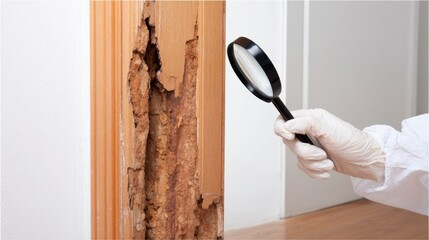
For homeowners, a termite inspection provides peace of mind. Lenders typically require a termite inspection as part of the home-buying process.
During an inspection, a certified inspector will look for evidence of termite activity and damage. This includes checking wood trim, baseboards and door frames for slightly raised areas that may indicate termite activity. Contact San Antonio Termite Inspection for more details.
Preventing Damage
A termite infestation is a silent destroyer, quietly gnawing away at a home’s foundation and other vital areas without any obvious warning signs. Many homeowners discover a termite problem only after significant damage has occurred, often leaving them with costly repair bills that are not covered by their homeowner’s insurance. Regular inspections can help prevent such an outcome by catching termite activity at its early stages, when treatment is more effective and less expensive.
A professional termite inspector is specially trained to recognize the subtle indications of termites and their damage that the average person cannot see. He or she will examine the property for evidence of a termite infestation, including mud tubes in crawl spaces and basements, wood that sounds hollow when tapped, and small piles of discarded wings. Detailed reports document these findings and highlight any potential areas of concern, so that the property owner can take action.
While homeowners can perform a basic visual check, termite inspectors use specialized tools to examine every part of a home’s structure, both inside and out. These include probing tools, such as screwdrivers or drills, to test the strength and soundness of wood; a tapping tool that can detect hollowness; infrared cameras and thermal imaging to see hidden moisture patterns; and a variety of other equipment. The result is a comprehensive inspection of the entire property that can identify any signs of active termite colonies or their damage.
To get the most out of a termite inspection, homeowners should clear out their garage to allow the inspector access to the walls, and remove items that block attic entrances to ensure proper evaluation of these important areas. If the house has a crawl space, it is also necessary to clear out any items that are blocking the crawl space door so the inspector can access the area beneath the floor.
A professional termite inspection is an invaluable service for any property owner. It can save a substantial amount of money in the long run by preventing the need for costly repairs due to undetected termite damage, and it is often required as part of the closing process in real estate transactions, particularly when using government-backed mortgages.
Preparing for a Sale
A termite inspection is an essential part of any real estate transaction, ensuring that both the home buyer and seller are aware of any existing infestations or damage. A clear, detailed termite report helps speed up the sale process by avoiding delays or unexpected costs. In addition, mortgage lenders often require a current termite report before lending money on a new purchase.
While it is possible for homeowners to perform a visual check, a trained pest control professional can spot early indicators of damage that might be difficult to see without proper tools. A termite inspector will search both inside and outside the property for signs of active termite infestation, previous damage, and environmental conditions that could attract future termites, including moisture levels and wood-to-soil contact.
In addition to checking the property for mud tubes, hollow-sounding wood, blistered surfaces, and piles of discarded wings (known as frass), a termite inspection also looks for a variety of other factors that can indicate the presence of termites, such as sagging floors or ceilings, cracks in foundation walls or concrete slabs, bare spots in hardwood flooring, and squeaky doors and windows. The inspection will include examining basements, crawl spaces, and wooden structures like decks and gazebos.
After the inspection, the pest control expert will provide a detailed report that includes all the findings and recommendations. The report will identify whether the property is currently infested, lists any existing damage, and provides a range of options for treatment or prevention.
For buyers, a termite inspection gives them peace of mind and reassures them that they are getting a safe, sound home. In addition, a clean report can help the home sell faster and at a higher price. Real estate agents should strongly encourage buyers to have a termite inspection before closing on a property.
While many potential buyers are familiar with the threat of termites, those who live in different climates may be less aware of these pests and their habits. Providing a termite inspection before selling a home can help educate prospective buyers, alleviate apprehension and bolster the value of the property.
Getting a Warranty
A termite inspection is a crucial step for anyone considering selling a home. It can reveal hidden infestations or conditions that could lead to termite damage and cost thousands in repair fees. Termites are known as silent destroyers because they can do so much damage without being noticed for years, which means that by the time the problem is recognized, it is often too late to save the structure and its contents. An annual termite inspection, performed by a qualified inspector, can prevent such issues from occurring.
During the inspection, the expert will examine both the interior and exterior of a home for signs of termite activity or risk factors that can cause an infestation. This will include checking crawl spaces, basements, attics and wooden frames. In addition, the inspector will walk the exterior perimeter to look for areas where wood contacts soil and for any potential entry points. The inspector will also check for mud tubes, look at the foundation wall for any cracks or other signs of a possible termite invasion and observe drainage patterns around the property.
The inspector will typically begin by asking a series of questions about the history of the home and any previous termite problems. This information will help them focus their attention on specific areas of the property that are more likely to have termite activity.
To prepare for a termite inspection, homeowners should ensure that access panels to crawl spaces and attics are clear and can be opened easily. It is also a good idea to trim any trees that are close to the house, as well as move wood piles away from the foundation. Finally, it is a good idea to fix leaks and reduce humidity levels as both can be attractants of termites. After the termite inspection is complete, a report will be issued detailing the findings. This report is typically required for real estate transactions and some home loans, especially those in high-risk areas. The report will also detail any termite treatment or prevention recommendations. If a homeowner has an active termite protection plan, the provider will typically provide a warranty for the home during the sale or transfer process.
Getting Rid of Termites
Termite inspections are a crucial step to prevent damage and ensure that termites don’t become an ongoing problem. By catching an infestation in its early stages, a homeowner can save money on repairs and avoid costly resale complications. But to get the most benefit, homeowners should be sure to schedule regular inspections.
In addition to identifying existing infestations, a professional termite inspector can help prevent future issues by assessing conditions that promote them. These include wood-to-soil contact, excessive moisture, and structural vulnerabilities. Inspecting areas like crawl spaces, basements, and attics allows the inspector to look for these conditions.
A visual inspection is the foundation of every termite assessment. The inspector will examine the interior and exterior of the property, paying particular attention to the baseboards, door frames, and window sills. They will also look for mud tubes, signs of swarming (discarded wings), and wood-colored droppings known as frass. They may use other tools as well, such as moisture meters or borescopes to inspect wall voids or hard-to-reach places.
While many homeowners can perform a basic visual check, a professional termite inspection is the best way to determine whether or not a home has a serious problem. Termite experts know where to look for hidden evidence, and they have the training to detect even the smallest signs of infestation. A termite inspection can also identify the species of termites present, which is important because different types require different treatment methods.
Skipping a termite inspection might save you a few dollars now, but it could cost you thousands of dollars later. Repairing termite damage isn’t covered by most homeowner insurance policies, so a full inspection is an affordable investment that protects your home from costly repair bills.
It’s important to prepare for a termite inspection in advance, by clearing away clutter and trimming shrubbery around the house. This improves airflow, dries damp areas faster, and makes it easier to spot termite mud tubes and damage. Homeowners should also store firewood at least 20 feet away from the house and elevate wooden structures like fences, sheds, porches, and decks to at least six inches above ground level.